Scrum Alliance Leadership – Concrete Actions

This post identifies concrete actions. See also: Acceptance Tests and Models for Success.

The final step was to identify concrete actions that the Scrum Alliance organization and membership can take to move toward the goals associated with specific parts of each model. This is the list we came up with. Each item was given a “thumbs up” or support vote. (There was only one thumbs down, but this was cleared with further discussion/explanation).

  1. Create an initial Product Backlog of actions and desired future conditions. This list is a start.
  2. Make that backlog visible to all members.
  3. Create a mechanism to make it easy for members to volunteer for tasks associated with items on the backlog.
  4. Find someone (or several persons) to facilitate the volunteer mechanism.
  5. Develop ways to detect new trends and opportunities that may impact the SA and/or be influenced by the SA – eg. the new PMI/Agile certification program.
  6. Develop a means for official public response to such trends and opportunities.
  7. Start/continue building “bridges” with related communities involved with such trends and opportunities.
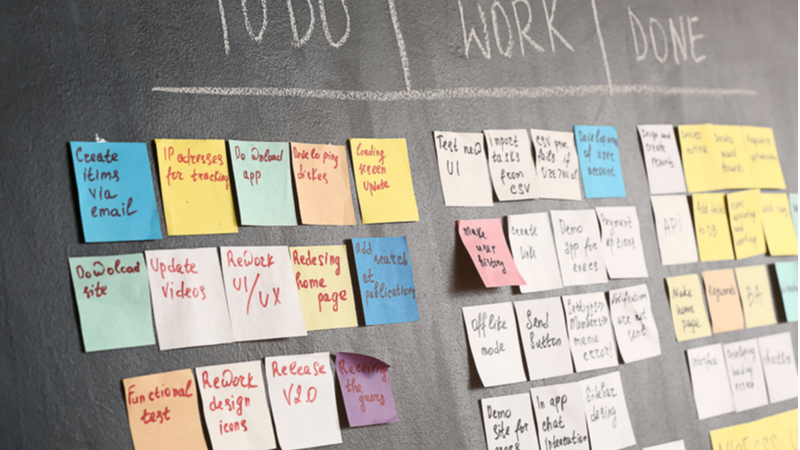
  8. Apply Scrum/Lean/Agile tools (timeboxes, teams,  iterations, WIP limits) to work on these backlog items and management of the overall SA portfolio.

Participants

Note: Sorry we didn’t get everyone in the picture…

  • Bob Allen
  • Brad Swanson
  • Chris Sims
  • James Smith
  • Heidi Helfand
  • Mark Levison
  • Bjorn Jensen
  • Christoph “Krishan” Mathis
  • Carol McEwan
  • Roger Brown
  • Henrik Kniberg
  • Skip Angel
More photos can be found on Flickr.

Comments (2)

Scrum Alliance Leadership – Models for Success

This post identifies two visions for successful leadership within the Scrum Alliance. See also: Acceptance Tests and Concrete Actions (& Participants).

The group was divided into two teams. Each team independently went through the Strategic Play® visioning process:

  1. Every team member built a model representing their ideas to support thought leadership.
  2. In turn, each team member shared their ideas through the Lego model.
  3. The models and ideas were integrated into a shared model. The results are shown below.

Shared Model from Team 1

Some Notes:

  • Low barriers to entry
  • Transparent
  • A source of ideas (not only source)
  • Listening to outside ideas
  • Building bridges to other communities (PMI, Kanban, etc)
  • Welcome other community members into our community
  • Stepping places for learning and different approaches
  • Many people working to move SA forward with coordination of effort and needs
  • Let go of past
  • Have awesome tools and capabilities within our community

Shared Model from Team 2

Some Notes:

  • Simple machine with inputs and outputs
  • Inputs are multiple communities through individuals and “antennas”
  • Collect ideas in central backlog with adequate levels of transparency
  • Courageous Leadership to move ideas forward
  • Other leaders to spread ideas
  • Assisting people with entry to so they can grow
  • Building bridges with other communities

Discussion

There were a number of key differences between the models.  A few are discussed below.

What kind of leader? The inclusion of the Crown by one group was particularly challenging due to symbolic association to a king and absolute authority. Upon clarification, it was used to represent strong leadership that was inclusive of other voices and opinions. Something more than a facilitator and less than an authority.

What communities? The first group was much more oriented outwards to other parts of the Agile community and even wider. The second was focused more on the different communities or membership within the Scrum Alliance. So, both internal and external stakeholders are important.


Leave a Comment

Scrum Alliance Leadership – Acceptance Tests

This post identifies acceptance tests for successful thought leadership within the Scrum Alliance. See also: Models for Success and Concrete Actions (& Participants)

Process: Everyone built a model for an acceptance test and each group voted to select the two most valuable acceptance tests. So there are four acceptance tests in total.

Acceptance Test #1 – One Leader, one Message & people following

Acceptance Test #2 – Tuned in to community and able to influence it

Acceptance Test #3 – Build bridges between communities

Acceptance Test #4 – Start with one concrete thing supported by multiple communities

Leave a Comment


       Certified Scrum Coach Certification
         XPToronto and Agile User Group